
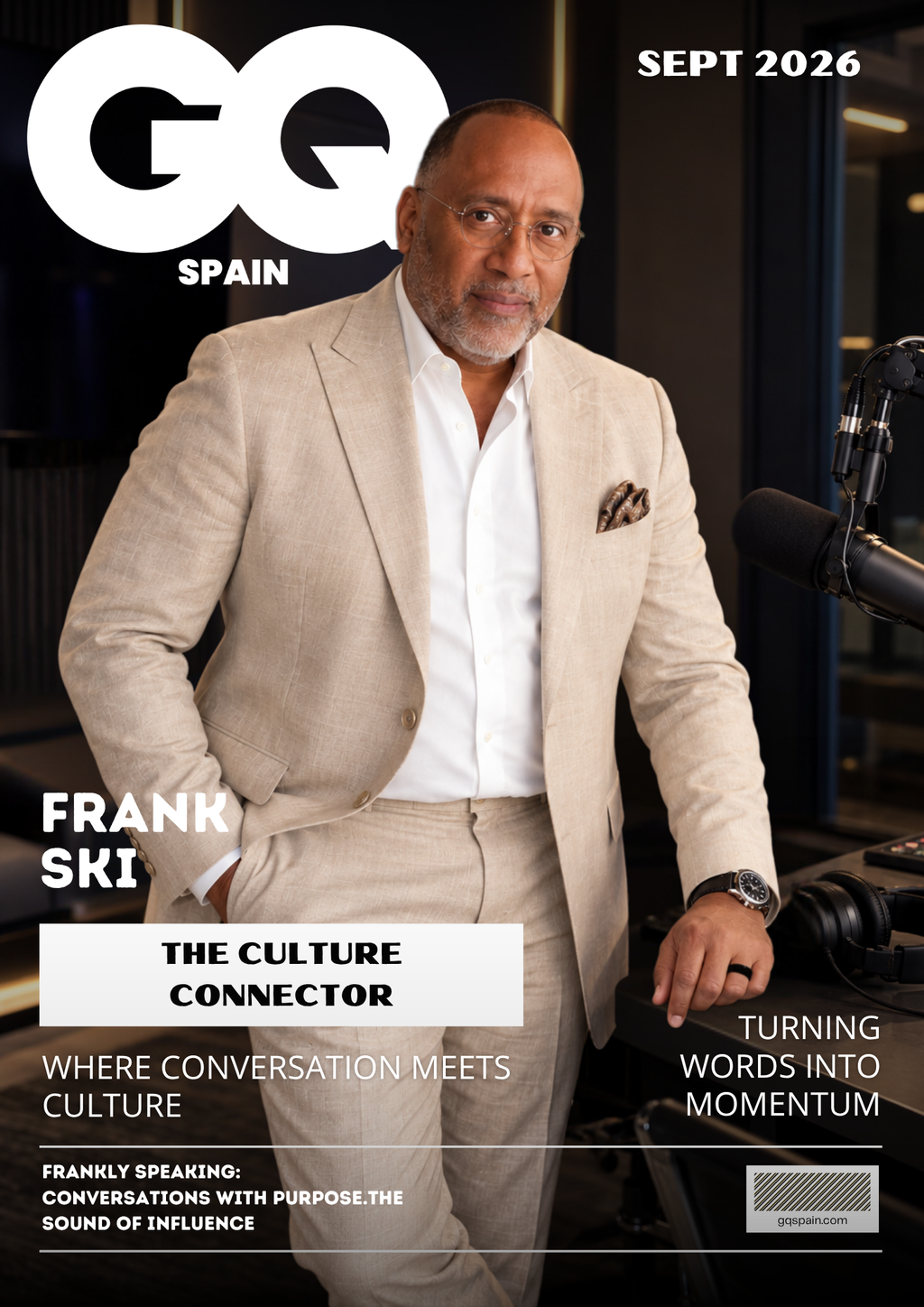
With his new Frankly Speaking podcast and the expansion of Inspirational Vitamin, Frank Ski is creating new ways to do what he does best: connect, converse and move culture forward.
By Julian St. James
Frank Ski has never seemed particularly interested in being just one thing. Put him behind a DJ booth and he understands the assignment. Hand him a microphone and a conversation can go somewhere you didn’t expect. Give him an audience and, depending on the day, he may make them dance, think, laugh or reconsider something they were certain they already understood.
Right now, all of those instincts are colliding.
Ski has launched Frankly Speaking, a long-form podcast built around conversations with people who have something substantial to say. At the same time, Inspirational Vitamin, the motivational feature that listeners have associated with him for years, has expanded into a direct daily experience. The two projects couldn’t be more different in length or format, yet together they make perfect sense. One gives Ski room to explore. The other asks him to distill an idea until only the part worth carrying remains.
This is Frank Ski in his element.
The podcast may be new, but the instinct behind it certainly isn’t. Ski has spent years interviewing people, and experience has taught him something that can’t be downloaded with a new microphone and a podcast tutorial: people rarely give you the most interesting answer first.
On Frankly Speaking, there is time to wait for it.
The conversations are deliberately long-form, allowing Ski to move beyond the résumé and into the decisions, experiences and contradictions that make a person’s story worth hearing. His early guests demonstrate the range. John Hope Bryant joined him for a discussion that moved through entrepreneurship, financial empowerment, ownership and the realities behind building wealth. Shanti Das brought an entirely different emotional register, opening a conversation around grief, mental health, healing and the experiences that transformed her advocacy. Former Atlanta Mayor Keisha Lance Bottoms sat with Ski for a discussion that reached beyond public office and into the personal history behind the familiar name.
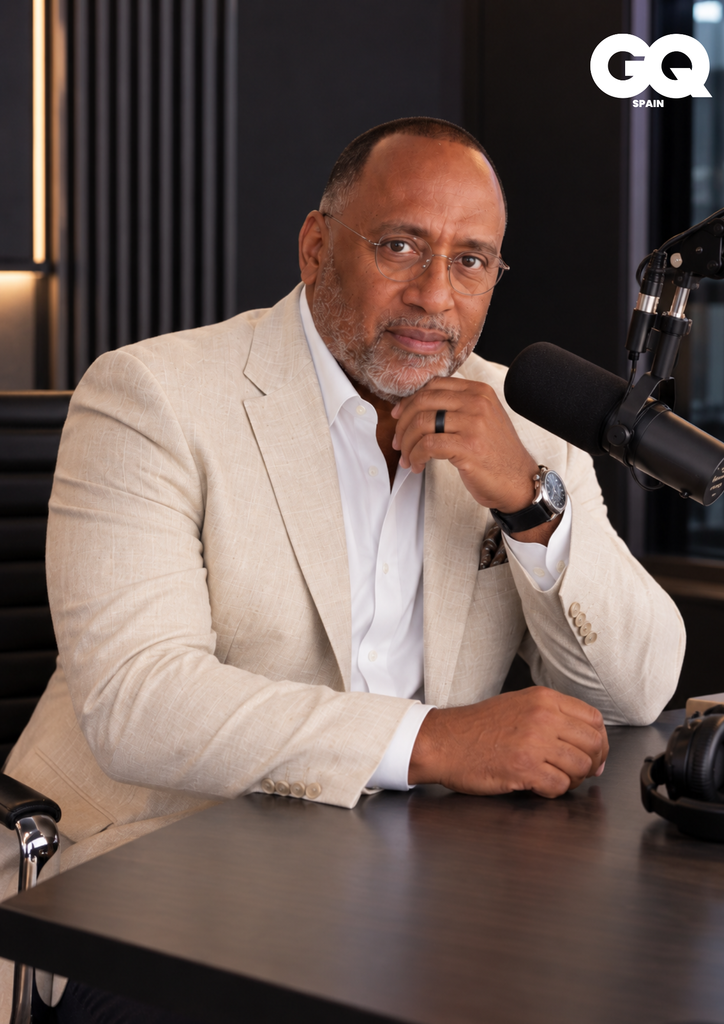
The common denominator isn’t industry or celebrity. It’s substance.
Ski is good at finding it because he listens like a DJ.
That might sound like an odd comparison until you watch someone who actually knows how to control a set. Great DJs aren’t simply choosing records. They’re paying attention to what is happening around them. They notice when the energy changes. They know when to let something breathe, when to make the transition and when the unexpected selection is exactly what the moment needs.
Ski brings some of that same intuition to conversation. He can follow the prepared path, but he doesn’t seem particularly attached to it. If a guest says something interesting enough to warrant a detour, he’ll take it. The result feels less like someone working through a stack of interview questions and more like two people discovering where the conversation is going while we’re listening.
For a man whose professional life has so often depended on timing, long-form podcasting offers a certain freedom. Traditional broadcasting demands precision. There are breaks to hit, segments to close and programming obligations waiting on the other side. A podcast allows the story to determine its own length.
And Frank Ski has stories he wants to hear.
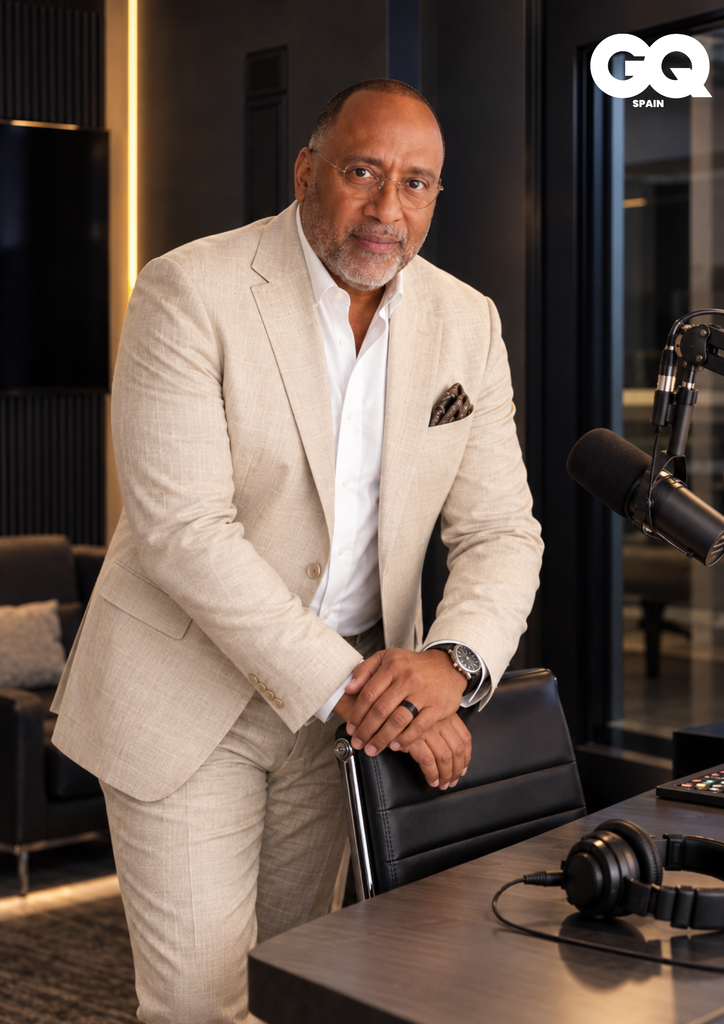
A DIFFERENT KIND OF DAILY
Then there is Inspirational Vitamin.
If Frankly Speaking allows Ski to stretch out, Inspirational Vitamin requires the opposite discipline. The idea is concise by design: a concentrated dose of faith, encouragement, perspective and motivation intended to give someone something useful before the day gets away from them.
Ski has carried the concept with him through his broadcasting career, but expanding it into a direct daily offering changes the relationship. The message no longer has to exist only inside a radio program. It can meet people where they are and become part of their morning on their own schedule.
There is something very Frank Ski about having both projects operating at once.
He can spend an extended conversation examining how another person thinks and then turn around and deliver a thought designed to be absorbed in minutes. One format values exploration. The other values precision. Both rely on a skill Ski has been sharpening for years: understanding how to communicate with people rather than simply talk at them.
That difference has helped him maintain an unusual relationship with his audience. Frank Ski doesn’t present himself as someone observing culture from a safe distance. He participates in it. Music, entertainment, business, philanthropy, community and nightlife have repeatedly overlapped in his world, giving him access to people from remarkably different corners of public life.
It also explains why reducing him to “radio personality” has always felt incomplete.
Radio is something Frank Ski does exceptionally well. It isn’t the boundary of who he is.
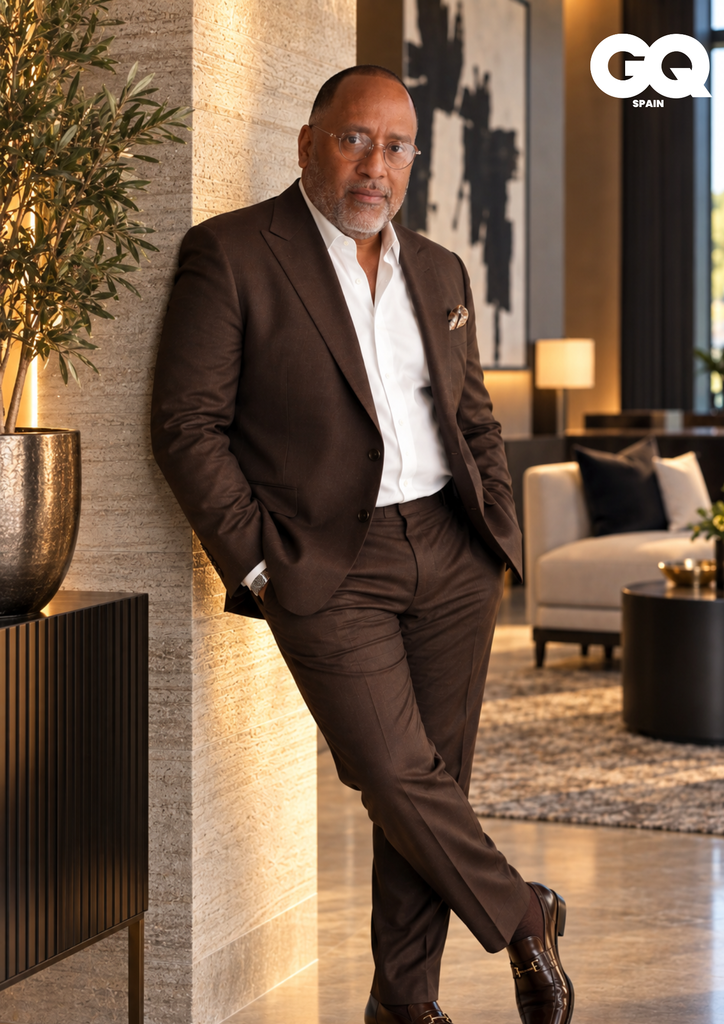
THE FRANK SKI MIX
There is a tendency to make successful people easier to understand by shrinking them into a single category. It makes for a cleaner introduction, but some careers refuse to cooperate.
Ski’s is one of them.
The DJ matters because music taught him how to move people. The broadcaster matters because radio taught him discipline. The interviewer matters because thousands of conversations taught him how to listen. His philanthropic work matters because community engagement placed him in spaces where entertainment isn’t necessarily the most important thing happening that day.
Now those experiences are feeding the work he is creating under his own name.
That is what makes this moment more interesting than a simple podcast launch. Frankly Speaking isn’t Frank Ski trying on podcasting because podcasts are popular. The format happens to accommodate something he already knows how to do.
The same can be said for Inspirational Vitamin. Encouragement isn’t a new category invented for a rollout. It has been woven into Ski’s relationship with his audience for years. Technology simply allows him to package and distribute it differently.
The platforms are changing. The instincts are recognizable.
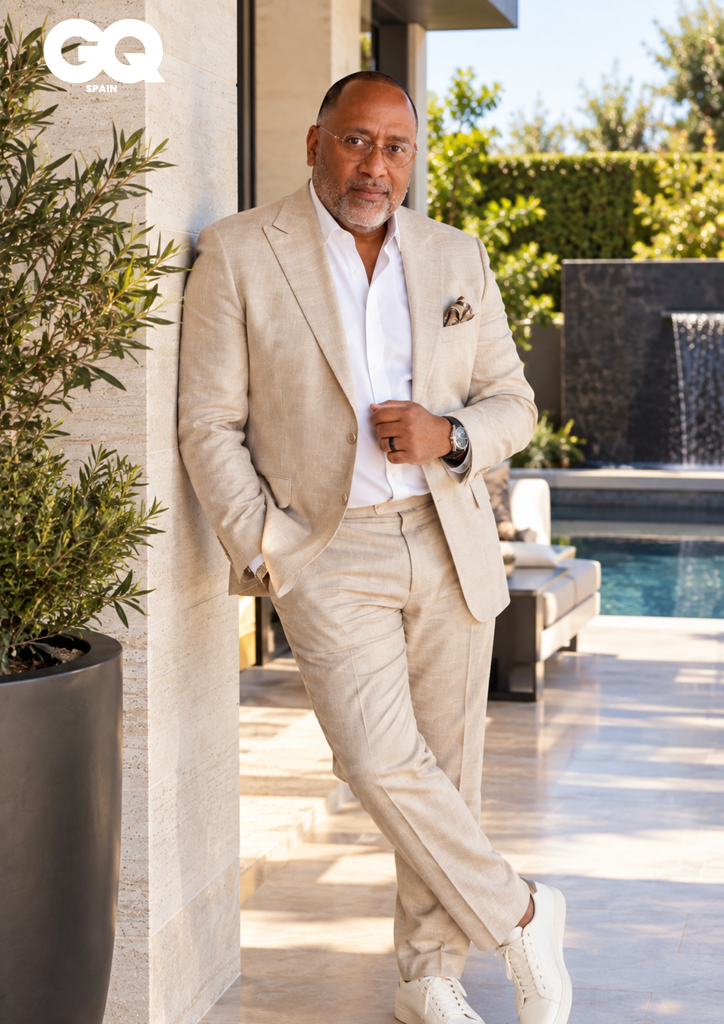
EXACTLY WHERE HE WANTS TO BE
Perhaps that’s why Frank Ski looks so comfortable moving between all of it.
There is no requirement that the podcast replace the DJ booth, that inspiration replace entertainment or that one version of Frank Ski retire so another one can take its place. His career has never operated that neatly, and there is no reason to start forcing it into tidy compartments now.
On any given week, Ski can be preparing for a long-form interview, delivering an Inspirational Vitamin, stepping behind the turntables, appearing before an audience or handling the less glamorous work required to keep several ventures moving simultaneously.
That isn’t an identity crisis.
It’s the ecosystem.
Frankly Speaking now gives him a place for conversations that deserve more time. Inspirational Vitamin gives him a direct way to reach people who want a different kind of connection. Music remains in his bloodstream, and the microphone remains exactly where it has always belonged.
Frank Ski isn’t searching for his next act.
He’s too busy enjoying this one.
Photos courtesy of An Officer and Gentlewoman, LLC


